4 min read
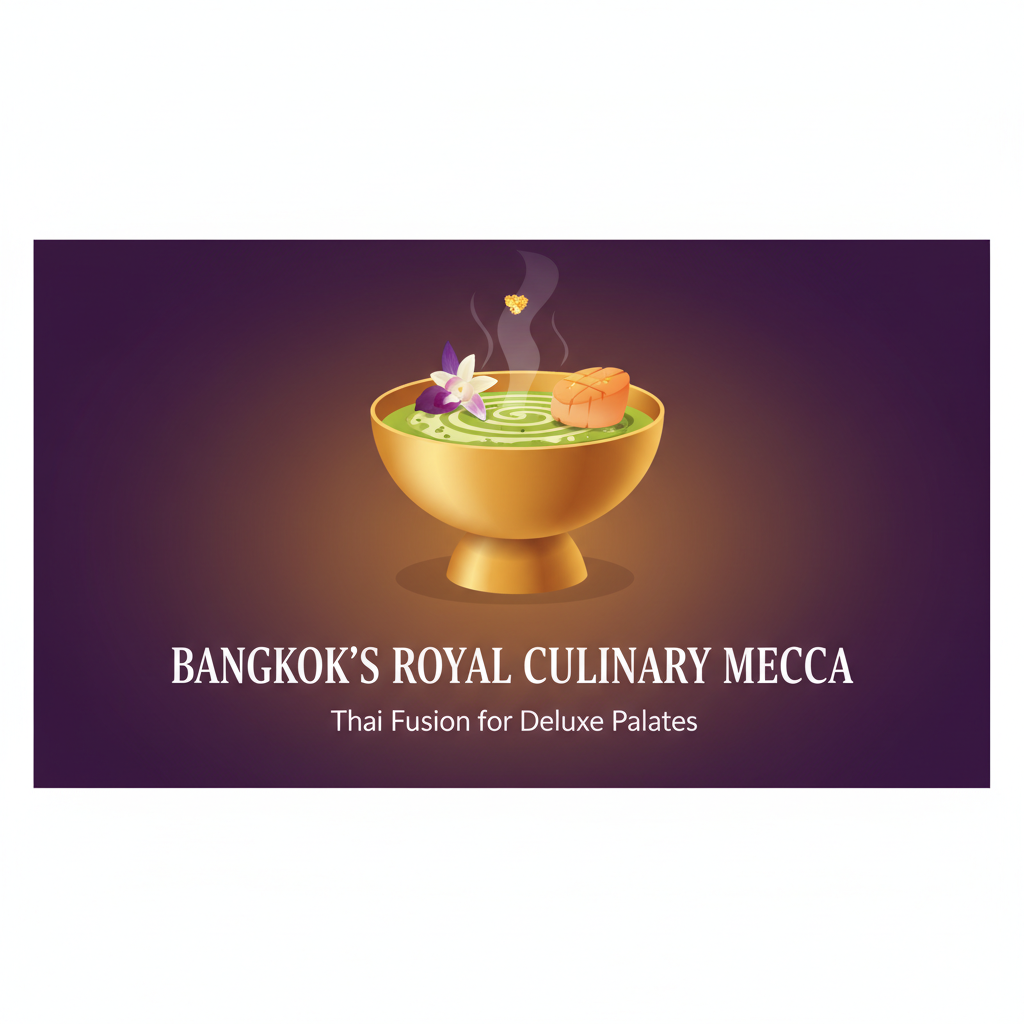
Bangkok’s Rise as a Royal Culinary Mecca: Thai Fusion for Deluxe Palates
Moran Sapir
Author

Moran Sapir
Author
Bangkok is not just the bustling capital of Thailand; it is evolving into a culinary powerhouse, particularly in the realm of royal Thai cuisine. With its rich heritage and innovative spirit, the city is now a go-to destination for food enthusiasts seeking a blend of tradition and modernity. The concept of Thai fusion has taken root here, appealing to those with discerning tastes.
The essence of royal Thai cuisine is deeply rooted in the country's history. Originally served to the nobility, these dishes highlight the intricate balance of sweet, sour, salty, and spicy flavors. Today, chefs in Bangkok are not just preserving this heritage; they are reimagining it. Innovative dining spaces like Nahm and Sirocco are leading the charge, taking classic recipes and giving them a contemporary twist.
For example, Nahm’s chef, David Thompson, is known for his meticulous approach to traditional Thai flavors while introducing subtle influences from other cuisines. This fusion of elements creates a unique dining experience that is both familiar and surprising.
In Bangkok, dining is as much about the visual experience as it is about taste. Chefs are elevating the art of presentation, transforming dishes into visual masterpieces. Vegetables are meticulously sculpted into flowers, and fruits are carved into intricate designs. This attention to detail is reminiscent of royal feasts where the presentation was as important as the flavors.
The rise of social media has further amplified this trend. Diners seek out visually stunning dishes to share online, pushing chefs to innovate continuously. Restaurants are now designing menus that not only delight the palate but also create Instagram-worthy moments.
Bangkok’s culinary landscape is vibrant, with numerous events and festivals celebrating Thai cuisine. The annual Bangkok Gourmet Festival invites renowned chefs from around the globe to showcase their interpretations of Thai dishes. During these events, traditional recipes meet modern techniques, resulting in a culinary tapestry that reflects Bangkok's diverse food culture.
Food enthusiasts can also participate in workshops and cooking classes, where they learn the intricacies of Thai cooking from experienced chefs. This hands-on approach not only enhances appreciation for the cuisine but also fosters a deeper connection to its roots.
As Bangkok continues to grow as a culinary destination, the future of Thai fusion looks promising. Chefs are increasingly experimenting with global flavors, leading to unique combinations that redefine traditional dishes. For instance, the integration of Western cooking techniques with Thai ingredients has resulted in remarkable dining experiences.
Luxury hotels like the Banyan Tree Bangkok and the Mandarin Oriental are at the forefront of this trend. They offer curated dining experiences that highlight local ingredients while providing a sophisticated atmosphere. These establishments are committed to showcasing the best of Thai cuisine, ensuring that every meal is a celebration of culture and creativity.
Bangkok's transformation into a royal culinary mecca is a testament to its rich heritage and innovative spirit. The fusion of traditional Thai flavors with contemporary techniques is not just a trend; it is a culinary evolution. As the city continues to attract food lovers from around the globe, it firmly establishes itself as a premier destination for those seeking an extraordinary dining experience. For anyone passionate about food, Bangkok is not just a place to eat; it is a destination to savor, explore, and indulge in the art of Thai cuisine redefined.