4 min read
Fire-Kissed Feasts: Historical Royal Grilling Techniques with Modern Binchotan Charcoal
Moran Sapir
Author
Moran Sapir
Author
Imagine the scent of sizzling meats wafting through the air, the crackling sound of wood and charcoal, and the anticipation of a meal fit for royalty. Across centuries, grilling has been a favored culinary method, adored by nobles and commoners alike. Today, the revival of historical grilling techniques, combined with the use of modern binchotan charcoal, invites enthusiasts to experience the profound heritage of outdoor cooking.
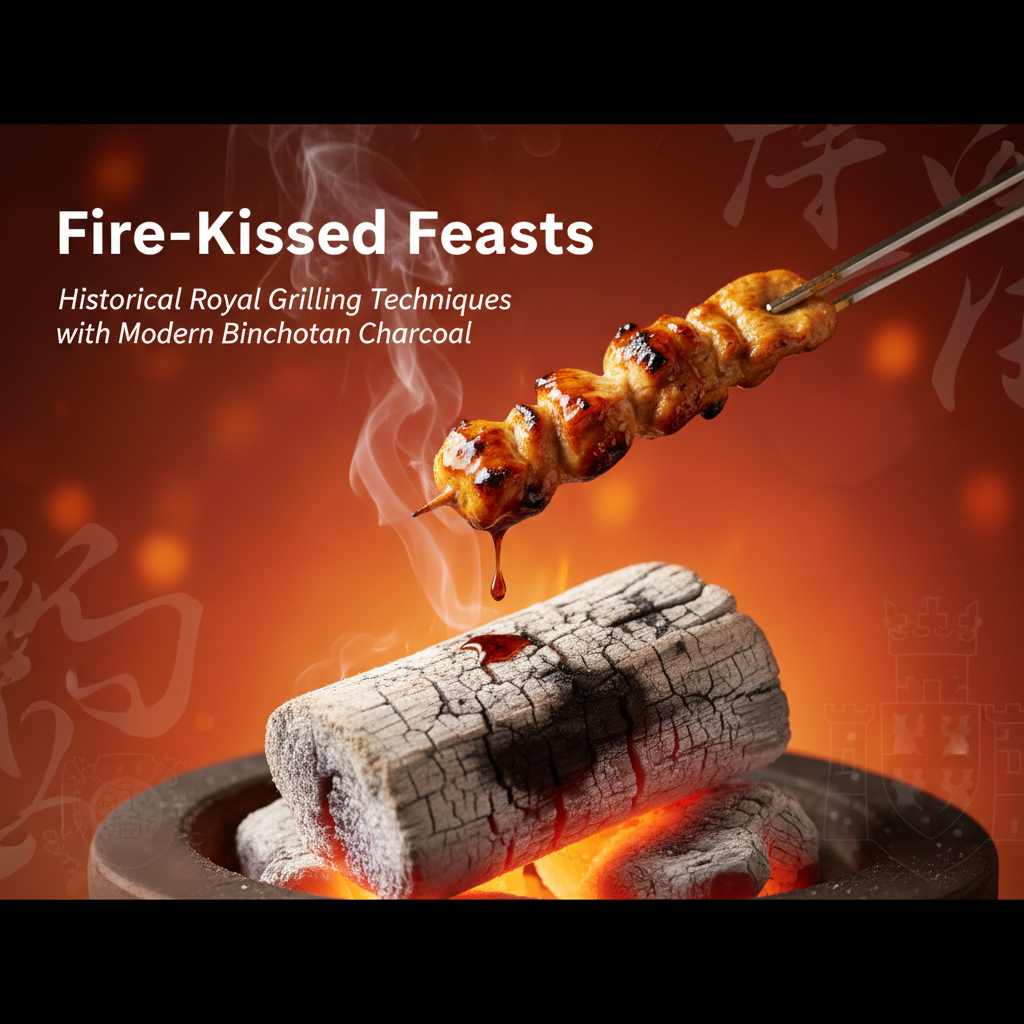
Binchotan, a type of Japanese charcoal, is known for its unique properties. It is made by burning oak wood for several days, resulting in a white-grey charcoal that burns hotter and cleaner than its mass-produced counterparts. This charcoal doesn’t just fuel the fire; it enhances the flavor of the food, drawing out natural juices and creating an irresistible char. As you ignite binchotan on your grill, the transformation of mundane ingredients into a culinary experience begins.
Grilling has a rich history that dates back thousands of years. In ancient times, it was common for royalty to host feasts featuring grilled meats, prepared using techniques passed down through generations. The Greeks and Romans favored spit-roasting, while the Japanese developed intricate methods like yakitori, which involves grilling skewered chicken over an open flame.
In medieval Europe, grilling was often performed at grand banquets, where whole animals were roasted. The presentation was as important as the taste; elaborate displays of food were designed to impress guests. Cooking over an open fire allowed for a smoky flavor that is revered today.
By incorporating binchotan into traditional grilling methods, modern chefs and home cooks alike can pay homage to historical techniques while enjoying contemporary flavors. For instance, using binchotan to recreate the delicate balance of flavors in yakitori allows cooks to experience the essence of Japanese grilling culture. The high, consistent heat of binchotan is perfect for achieving that signature caramelization found in traditional dishes.
One can also explore the art of robatayaki, where cooks grill fresh seasonal ingredients like vegetables and fish over hot coals. The method encourages the use of local produce, connecting diners to their environment and emphasizing the importance of seasonality in cooking.
Grilling is about more than just cooking; it’s an immersive experience. The sizzle of meat, the scent of smoke, and the visual appeal of perfectly charred vegetables provide a multisensory feast. Royal grilling techniques often involved elaborate presentations, where meals were not only delicious but visually stunning.
Today, the same principles apply. A well-grilled meal can be artfully arranged, turning the dining experience into a celebration. Using binchotan charcoal elevates these feasts, allowing cooks to recreate the flavors of history while adding a contemporary twist.
For those eager to embrace historical grilling techniques, the challenge lies in mastering the balance between tradition and innovation. Incorporating binchotan charcoal into your grilling routine can drastically change the outcome of your meals. Start with simple recipes, then experiment with complex dishes that celebrate the historical roots of grilling.
Consider hosting a fire-kissed feast, inviting friends and family to participate in the grilling process. Share stories of historical methods and the significance of each dish, creating an interactive experience that honors the past while enjoying the present.
Fire-kissed feasts are not merely about the act of grilling; they are a celebration of history, community, and flavor. With the right tools, like binchotan charcoal, and a knowledge of historical techniques, anyone can transform their outdoor cooking into an experience befitting royalty. So, gather your ingredients, ignite that charcoal, and prepare to embark on a culinary journey that connects you to the rich heritage of grilling.