4 min read
Frycy Fusion: Spicy Fruit Pairings from Royal Southeast Asian Courts
Lila Odin
Author

Lila Odin
Author
Southeast Asia is a treasure trove of culinary delights, combining flavors, textures, and colors in ways that are nothing short of magical. One of the most intriguing aspects of this vibrant cuisine is the practice of pairing spicy elements with fruits. This fusion, often referred to as Frycy Fusion, finds its roots in the royal courts of Southeast Asia, where the art of cooking was elevated to a form of cultural expression. The result? A tantalizing blend of heat and sweetness that captivates the palate.
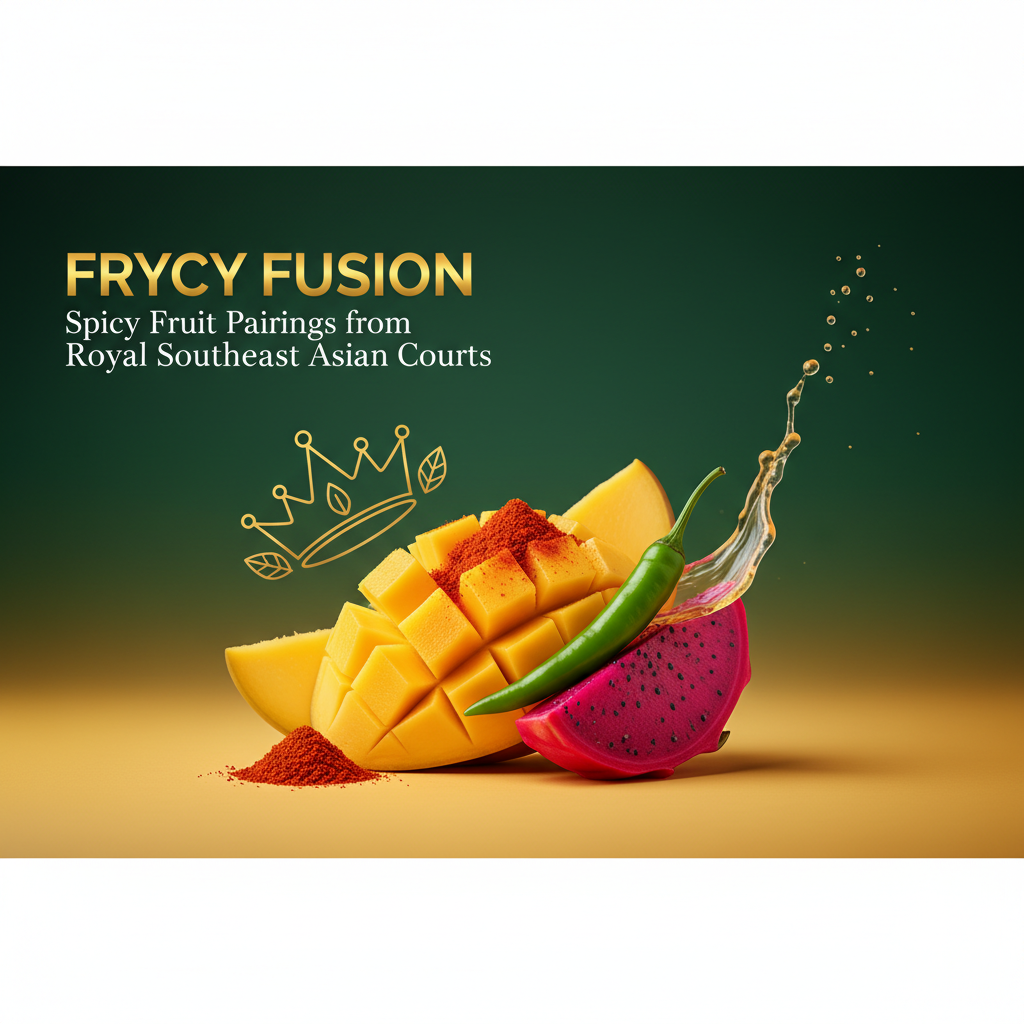
At first glance, the idea of mixing spicy ingredients with fruits might seem unconventional. In royal Southeast Asian courts, however, this pairing was celebrated. Fruits like mango and pineapple were often adorned with ground chili, lime, or even fish sauce, creating a dish that is both refreshing and tantalizing. The sweetness of the fruit acts as a counterpoint to the heat of the spices, resulting in a complex flavor profile that entices the taste buds.
Take the humble mango, for instance. When sliced and tossed with a sprinkle of chili powder and a squeeze of lime, it transforms into a vibrant dish that sings of summer. This classic combination not only pleases the palate but also showcases the culinary heritage of the region.
One cannot discuss Frycy Fusion without mentioning the iconic Som Tum, a green papaya salad that embodies the spirit of this culinary trend. Traditionally made with shredded unripe papaya and a medley of spices, it often includes a fiery chili dressing that adds an unmistakable kick. The result is a dish that is as complex as it is colorful—a true testament to the ingenuity of Southeast Asian cuisine.
Another standout is Pineapple Fried Rice, a dish that has made its way from royal tables to street food stalls. Infused with curry powder, it often includes cashews, raisins, and a generous amount of fresh pineapple. The fruit's natural sweetness balances the spices, creating a dish that is both comforting and exciting.
The cultural significance of Frycy Fusion cannot be overstated. These dishes reflect the historical influences of trade routes and colonialism in Southeast Asia. Ingredients were introduced from various parts of the world, and local cooks adapted them to create something uniquely their own. This fusion of flavors tells a story of resilience and creativity, as culinary traditions evolve and blend.
Moreover, Frycy Fusion serves as a reminder of the communal spirit of dining in Southeast Asia. Many of these spicy fruit dishes are served alongside rice or as part of a larger meal, fostering a sense of togetherness. Sharing these vibrant dishes creates connections not only through food but also through the stories and traditions that accompany them.
The resurgence of Frycy Fusion in contemporary cooking is evident. Chefs around the world are experimenting with these flavor profiles, incorporating spicy fruit pairings into their menus. From upscale restaurants to home kitchens, the practice encourages culinary creativity and exploration.
For those looking to embrace this trend, the possibilities are endless. Consider adding a spicy twist to classic fruit salads, experimenting with chili-infused syrups, or creating unique salsas that marry heat with sweetness. The fusion of flavors invites innovation while honoring a rich culinary heritage.
Frycy Fusion is more than just a culinary trend; it is a celebration of the rich tapestry of flavors that Southeast Asia has to offer. The blend of spicy and sweet not only tantalizes the taste buds but also tells a story of history, culture, and creativity. As the world becomes more connected, so too does the appreciation for these unique flavor pairings. So, the next time you bite into a spicy mango salad or indulge in pineapple fried rice, remember that you are partaking in a tradition that has delighted palates for generations. Embrace the spice, celebrate the fruit, and savor the fusion.