4 min read
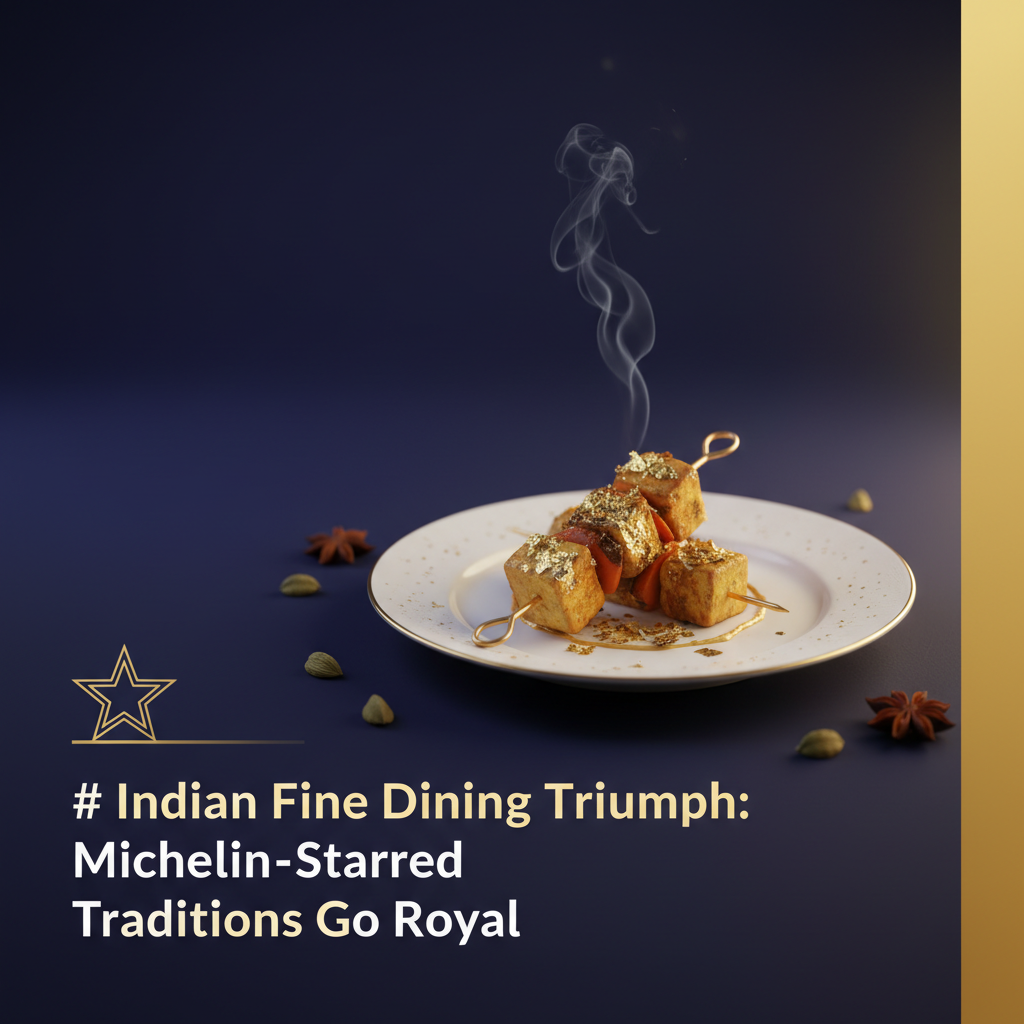
Indian Fine Dining Triumph: Michelin-Starred Traditions Go Royal
Moran Sapir
Author

Moran Sapir
Author
The Indian fine dining scene is experiencing a renaissance, with Michelin stars illuminating the culinary talents of chefs dedicated to elevating traditional cuisine. Restaurants like Trèsind Studio in Dubai and Musaafer in Houston are not just serving meals; they are crafting experiences that blend royal heritage with modern techniques. As this movement grows, it redefines what it means to dine Indian-style, pushing boundaries while staying true to cultural roots.
Indian cuisine has a rich history intertwined with royal traditions. Many dishes have roots in royal kitchens, where chefs had the freedom to experiment with flavors, techniques, and presentation. This heritage is being meticulously revived in contemporary dining experiences. Chefs like Himanshu Saini at Trèsind Studio draw inspiration from the grandeur of Indian royalty, presenting dishes that are not merely meals but works of art.
The ambiance of such establishments echoes this royal influence. Décor often features elegant motifs, opulent table settings, and a warm, inviting atmosphere—a far cry from the casual dining scene. These restaurants aim to elevate the dining experience to one of luxury, making every meal a celebration.
Michelin stars have long been a coveted accolade in the restaurant industry, serving as a benchmark for culinary excellence. The rise of Indian restaurants receiving these stars is a testament to the skill and creativity of chefs who are passionate about their craft. Musaafer, for instance, has carved out a niche in Houston’s dining landscape, merging authentic Indian flavors with innovative cooking techniques.
In Asia, the first Indian restaurant to receive a Michelin star was a groundbreaking moment that opened doors for others. This acknowledgment has not only attracted food enthusiasts but has also inspired chefs across the globe to explore Indian cuisine's depth and complexity. The Michelin Guide’s presence in cities like Tokyo, with multiple Bib Gourmand-rated Indian eateries, cements the idea that Indian fine dining is a global phenomenon.
What sets Michelin-starred Indian restaurants apart is their commitment to creating unique culinary experiences. At Trèsind Studio, for example, guests embark on a culinary journey that showcases the diverse regions of India. Each dish tells a story, drawing on traditional recipes while incorporating modern techniques and presentation styles.
Using locally sourced ingredients, chefs innovate while respecting the essence of each dish. The result is a menu that not only celebrates Indian cuisine but also provides an immersive experience for diners. This approach highlights the growing trend of storytelling in dining, where food becomes a narrative that connects patrons to culture and heritage.
The global reach of Indian fine dining continues to expand, with cities around the world recognizing the culinary sophistication of Indian food. As Michelin stars adorn more Indian restaurants, it’s clear that this movement is not a fleeting trend but rather a significant evolution in the culinary world.
Restaurants are increasingly becoming cultural hubs where patrons can enjoy authentic flavors while learning about the history and traditions behind each dish. The combination of fine dining and Indian cuisine offers a unique opportunity for cultural exchange, making it a powerful force in the global dining scene.
The triumph of Indian fine dining, exemplified by Michelin-starred establishments, is a celebration of culture, heritage, and innovation. As chefs continue to push boundaries while honoring traditions, diners can expect an evolving landscape of culinary experiences that are both luxurious and deeply rooted in history. This fusion of the royal and the modern invites everyone to explore the richness of Indian cuisine in a way that is both familiar and refreshingly new. For food lovers, the future looks incredibly appetizing.