4 min read
Royal Revival of Michelin’s Predicted Pop Dishes: Classic Recipes Fit for Kings
Lila Odin
Author

Lila Odin
Author
Imagine hosting a dinner party where every dish served feels like a royal feast. A culinary renaissance is underway, breathing new life into classic recipes that once graced the tables of monarchs. Michelin-starred chefs are reviving these time-honored dishes, blending tradition with contemporary flair to create meals that are both nostalgic and innovative.
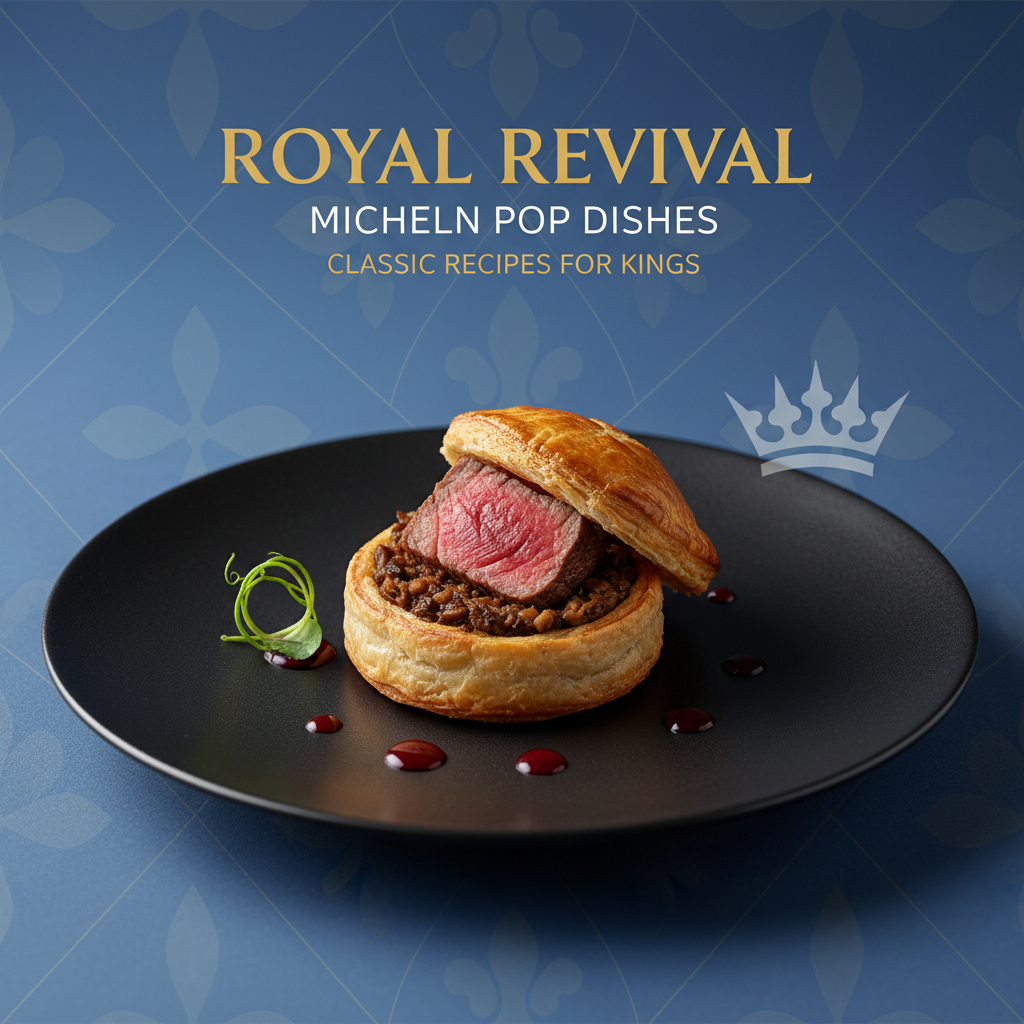
Classic recipes have an irresistible charm, often steeped in history. Take Beef Wellington, for example. This dish, named after the Duke of Wellington, combines tender beef fillet with a flavorful mushroom duxelles, all encased in a golden pastry. It’s a dish that speaks to opulence and celebration. As chefs like Björn Frantzén embrace such traditional fare, they are not just serving food; they are serving stories—narratives of the past that resonate with today's diners.
The revival of these dishes reflects a growing appreciation for culinary history. Many chefs look to the past to shape their present menus. By reintroducing classic recipes, they tap into nostalgia, drawing in diners who long for the familiar comforts of their childhood or the grand meals of history. The culinary world is often cyclical, and what was once considered old-fashioned can become en vogue again, especially when presented with a modern twist.
Today's culinary artists are not merely reproducing royal recipes; they are reimagining them. For instance, Crab Louie, a salad that originated in the early 20th century, is being reinvented with fresh, sustainable seafood and vibrant, local produce. Michelin-starred restaurants are showcasing this dish with inventive dressings and garnishes that elevate its presentation. It’s a nod to the past while embracing current sustainability practices and flavor profiles.
Similarly, chefs are experimenting with the ingredients and techniques of classic dishes. A twist on Coq au Vin might incorporate local wines or unique spices, allowing chefs to personalize a dish while still honoring its roots. This innovation creates a unique dining experience, inviting diners to appreciate the historical significance of their meal while indulging in contemporary flavors.
In the world of fine dining, presentation is as crucial as taste. The revival of royal recipes emphasizes not only flavor but also visual appeal. Chefs are treating the plate as a canvas, using colors, shapes, and textures to create an artistic expression that dazzles the eyes before the first bite is taken. This approach transforms dining into an experience, making it memorable long after the meal is over.
Take the reimagined Beef Wellington: it may be served as individual portions, carefully plated with seasonal vegetables and a rich jus, rather than the traditional whole roast. Such attention to detail enhances the dining experience, making each dish a conversation starter, a piece of art, and a testament to culinary skill.
The modern revival of classic recipes also encourages interaction between chefs and diners. Many restaurants are adopting open kitchen concepts, allowing guests to witness the preparation of their meals. This transparency not only demystifies the cooking process but also fosters a deeper connection between the food and those who consume it. Chefs may even share stories behind the dishes, enriching the dining experience with context and history.
This trend speaks to a larger cultural movement where dining is not merely about sustenance but about connection, storytelling, and community. Diners are increasingly seeking experiences that engage their senses and spark joy, making the revival of royal recipes both timely and relevant.
The royal revival of classic recipes is more than just a trend; it’s a celebration of heritage, creativity, and community. As Michelin-starred chefs breathe new life into these historical dishes, they invite diners to embark on a culinary journey that honors the past while embracing the future. The next time you sit down to a dish reminiscent of a royal feast, remember that you’re not just enjoying a meal; you’re partaking in a rich tapestry of history, culture, and innovation. So gather friends, explore these delightful flavors, and make every meal a royal affair.