4 min read
Umami and Bitter Notes in Royal Banquets: Elevating Endive and Seaweed to Deluxe Status
Lila Odin
Author

Lila Odin
Author
Imagine a lavish royal banquet, where the table is adorned with dishes bursting with flavor, and every bite tells a story. Amidst the opulence, endive and seaweed might seem like simple ingredients, yet they hold the power to elevate the dining experience with their complex umami and bitter notes. These flavors are not just culinary trends; they reflect a deeper understanding of taste that has been harnessed throughout history.
Umami, a term derived from Japanese meaning "pleasant savory taste," is often described as the fifth taste alongside sweet, sour, salty, and bitter. Found abundantly in ingredients such as mushrooms, aged cheeses, and fermented products, umami adds depth to dishes, making them more satisfying. In royal banquets, the careful balance of umami plays an essential role. For example, a dish featuring grilled endive drizzled with a miso glaze not only highlights the endive's natural bitterness but also enriches it with a savory punch that tantalizes the palate.
Chefs today are rediscovering umami's role in elevating traditional recipes. When paired with rich meats, umami enhances the overall flavor, giving diners a more rounded culinary experience. It’s no wonder that royal banquets from centuries past often incorporated umami-rich ingredients to impress nobility.
Bitterness is often misunderstood in the culinary world. While many shy away from bitter flavors, chefs recognize that they can provide essential balance. A touch of bitterness can cut through richness, making a dish more enjoyable. Think of endive. Its crisp texture and slightly bitter taste can serve as a refreshing counterpoint to rich cheeses or fatty meats often found at grand feasts.
Incorporating bitter greens like endive into a salad with sweet fruits or umami-rich dressings creates a delightful contrast. Chefs often highlight this balance, inviting diners to explore the full spectrum of flavors. The bitterness of endive, when combined with the umami richness of a cheese like Roquefort, creates a complex dish that dances on the palate.
Seaweed, often relegated to the status of a side ingredient, carries immense flavor potential. Rich in umami, seaweed can transform dishes with its briny, savory character. In many cultures, particularly in Japan, seaweed is a staple that elevates soups and salads, adding depth and complexity.
When used in a royal banquet setting, seaweed can be incorporated into broths, providing a robust base for other ingredients. For instance, a luxurious miso soup featuring seaweed and delicate seafood can impress even the most discerning guests. The umami from the seaweed complements the natural flavors of the broth, creating a dish that is both comforting and refined.
Today, chefs are reimagining how to use these ingredients in innovative ways. Endive and seaweed are no longer just sides; they are the stars of the plate. Restaurants are crafting dishes that celebrate these flavors while honoring their historical significance in royal cuisine.
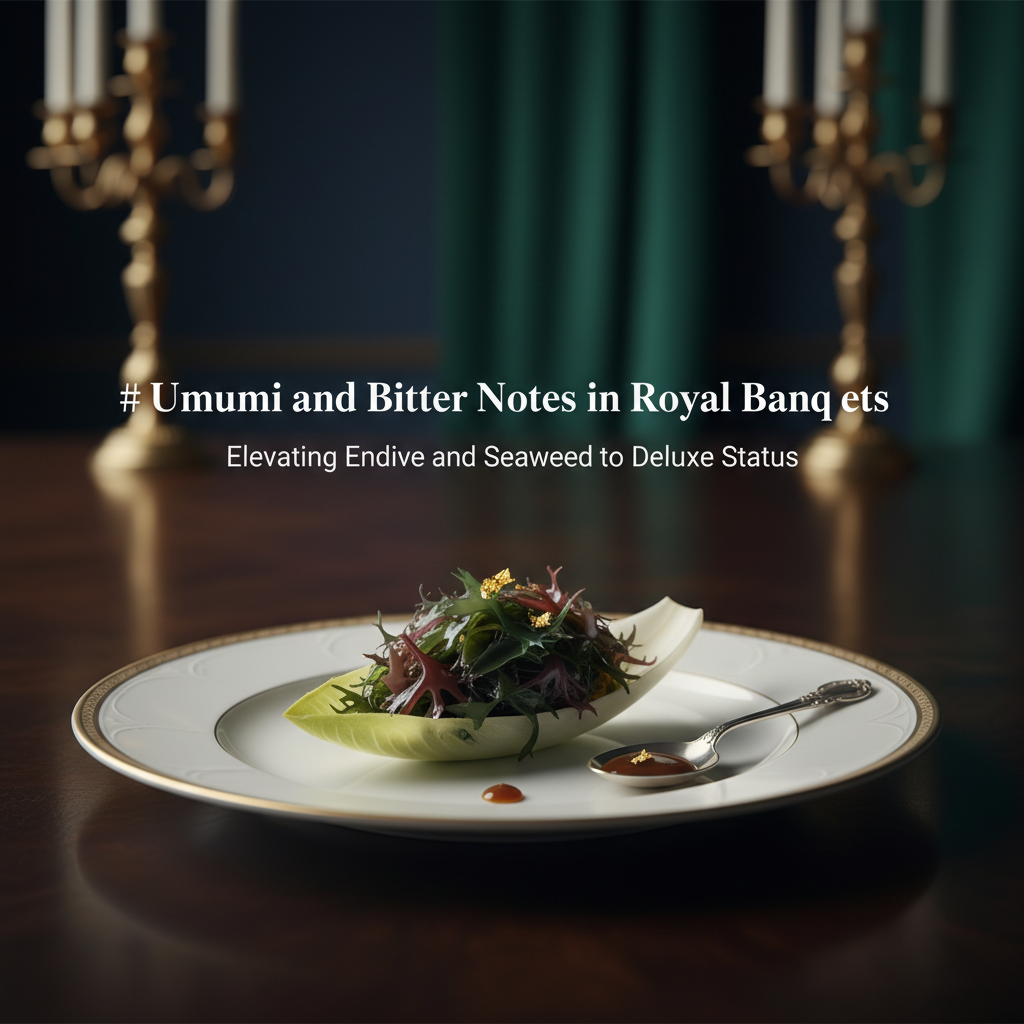
Consider a contemporary dish featuring endive wrapped around a savory filling of seaweed and crab. This not only highlights the umami of the crab and seaweed but also plays with the bitterness of the endive, creating a multi-layered flavor experience that feels both familiar and novel.
As culinary boundaries continue to expand, the challenge lies in embracing these complex flavors in everyday cooking. Home cooks can begin experimenting with endive and seaweed, learning to balance their bitterness and umami in simple dishes. A salad featuring endive, citrus segments, and a sprinkle of toasted seaweed can provide a delightful introduction to these flavors.
Incorporating umami and bitter notes into everyday meals encourages mindfulness in cooking, transforming humble ingredients into something special. Elevating endive and seaweed to the status of luxuries not only pays tribute to royal banquets but also invites us to explore the depths of flavor and creativity in our own kitchens. The culinary journey awaits—are you ready to embark?