4 min read
Wild Mountain Delicacies: Matsutake Mushrooms in Asian Royal Gastronomy
Moran Sapir
Author

Moran Sapir
Author
Nestled in the eastern Himalayas lies a treasure that has captivated culinary enthusiasts and royalty alike: the matsutake mushroom. Revered for its distinct flavor and rarity, this wild mushroom has become a symbol of luxury in Asian royal gastronomy, embodying a rich history and a robust ecosystem of harvesting practices.
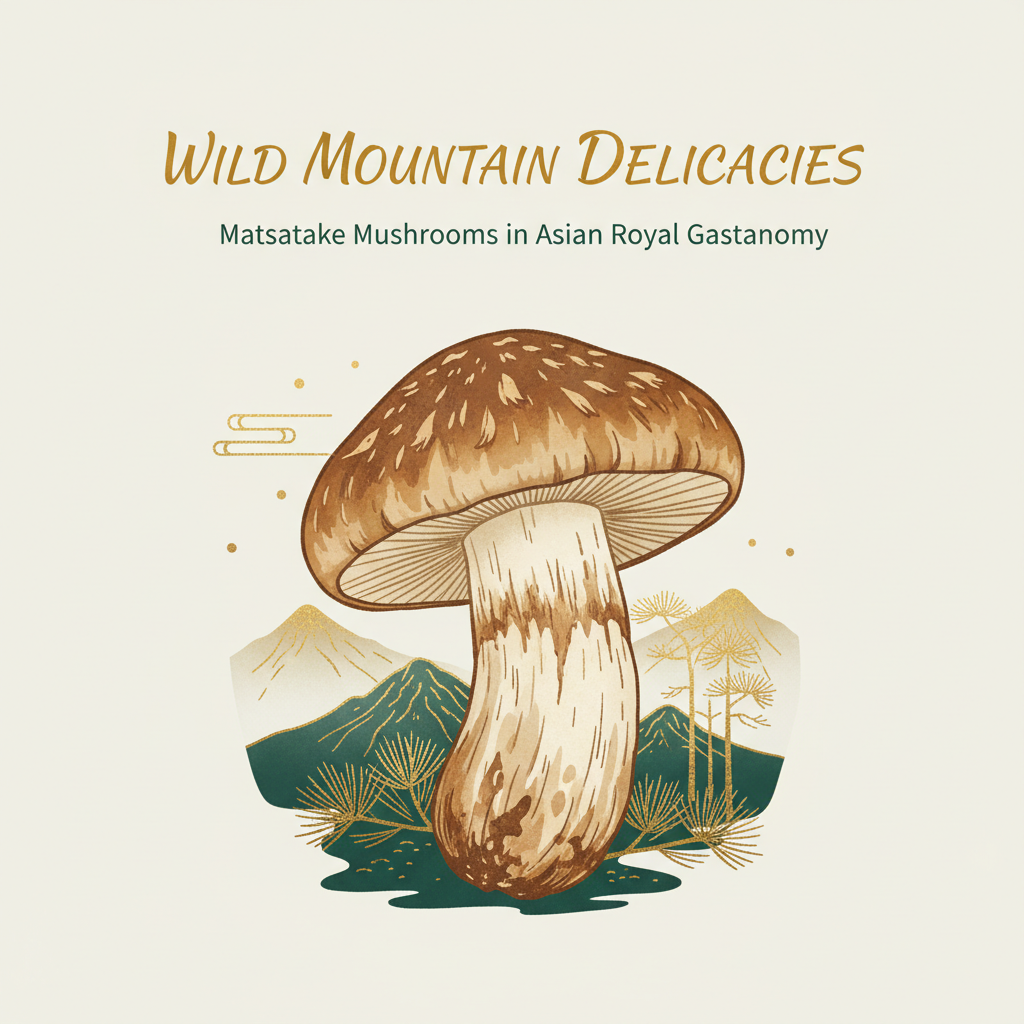
Matsutake mushrooms are not just any fungi; they are a culinary phenomenon. With a unique aroma reminiscent of pine and a flavor profile that balances earthiness with a hint of sweetness, they have been celebrated in Asian royal kitchens for centuries. The mushrooms thrive in mountainous regions, favoring the dry, acidic soils found at higher elevations. Their growth is influenced by the type of trees they grow alongside, particularly pines, which create the perfect ecosystem for these elusive delicacies.
What makes matsutake truly special is their rarity. They are notoriously difficult to cultivate, which is why they are primarily foraged in the wild. The matsutake season is a time of excitement and chaos, as a million foragers coordinate their efforts to hunt for these prized mushrooms. It’s a collective dance of nature and human skill that has been perfected over generations.
The art of harvesting matsutake is steeped in tradition. Foragers often return to specific locations year after year, guided by ancestral knowledge of the land. The best mushrooms grow on south-facing slopes where sunlight and moisture create optimal conditions. North-facing slopes, in contrast, offer cooler, shaded environments that yield less desirable specimens.
The coordination among foragers is remarkable; it’s a balance of competition and community. Each forager respects the traditions of the trade while also striving to secure their bounty. In the end, it’s about more than just the mushrooms; it’s about maintaining a way of life that is intimately tied to the land.
In royal gastronomy, the matsutake mushroom stands as a testament to culinary sophistication. Asian emperors and dignitaries have long prized this mushroom, integrating it into ceremonial dishes that symbolize wealth and prestige. Matsutake rice, often served at formal banquets, showcases the mushroom's delicate flavor while preserving its integrity.
Other preparations might include matsutake soup, where the mushroom’s essence is captured in a clear broth, allowing the ingredient to shine. In these royal kitchens, the matsutake is not merely food; it’s a story on a plate, connecting the past to the present through taste.
The increasing demand for matsutake poses significant challenges for sustainability. As prices soar—sometimes exceeding thousands of dollars per kilogram—overharvesting threatens the delicate balance of these ecosystems. Sustainable practices are critical, focusing on responsible foraging and habitat preservation to ensure that future generations can enjoy this incredible mushroom.
Beyond its culinary value, matsutake mushrooms symbolize a deep connection to nature and cultural identity. For many, the act of foraging is a rite of passage, a moment to reflect on the relationship between humans and the natural world. The matsutake mushroom serves as a bridge, linking the past traditions of foraging with contemporary culinary arts.
The matsutake mushroom is far more than a gourmet ingredient; it represents a cultural phenomenon deeply rooted in tradition and respect for nature. As it continues to grace the tables of royalty and food enthusiasts alike, it challenges us to think about the sustainability of our gastronomic treasures. The next time you encounter this wild mountain delicacy, remember that it carries with it centuries of history, community, and the wild spirit of the mountains.